
Bespoke cufflinks are more than traditional men’s accessories. They offer an opportunity to combine personal identity, creative design, and metal craftsmanship in a practical product. From engraved initials and company logos to completely original shapes, customized cufflinks allow individuals and businesses to create accessories that reflect their preferences, brand identity, or special occasions.
For retailers, wholesalers, corporate gift suppliers, and private-label brands, bespoke designs also provide opportunities to develop distinctive product collections. By selecting suitable materials, decorative techniques, finishes, and packaging, buyers can create products for different customer groups and market requirements. Understanding the customization process is essential before starting a new project.
1. What Are Bespoke Cufflinks?
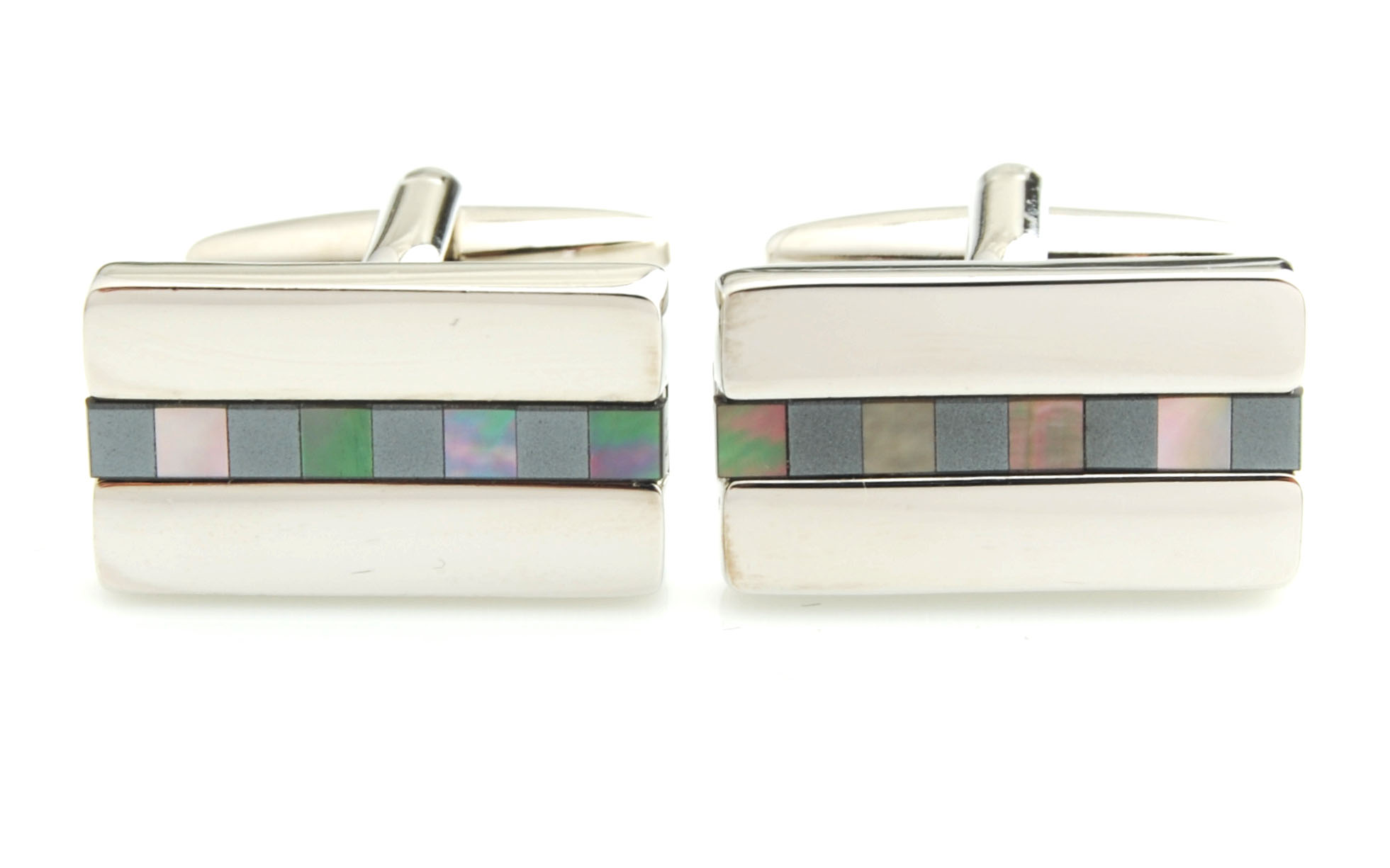
Bespoke cufflinks are specially designed shirt accessories produced according to specific customer requirements rather than selected entirely from standard designs. The customization may involve the shape, size, material, colour, surface finish, engraving, or decorative details.
Unlike ordinary accessories, bespoke products give buyers greater control over the final appearance. A design can be created around a person’s initials, a company logo, a particular theme, or an original concept.
Common customization options include:
- Personalised initials, names, and monograms
- Company logos and brand symbols
- Custom shapes and decorative patterns
- Engraved dates and meaningful messages
- Different metal materials and plating finishes
- Enamel colours and textured surfaces
- Custom presentation boxes and packaging
These options make bespoke cufflinks suitable for personal gifts, formalwear collections, corporate events, and promotional merchandise.
2. Popular Bespoke Cufflinks Design Ideas
The design determines how the finished accessory looks and how effectively it communicates a personal or brand identity. Buyers should consider the intended audience, wearing occasion, and product positioning when developing a new design.
2.1 Personalised Initial and Monogram Designs
Initial cufflinks are a classic choice for personalised accessories. They can feature a single letter, two initials, or a three-letter monogram representing a person’s name.
Traditional serif lettering creates an elegant appearance, while modern fonts suit minimalist designs. Letters can be engraved, embossed, or incorporated into a decorative metal structure.
These designs are suitable for birthdays, weddings, anniversaries, and executive gifts.
2.2 Corporate Logo Cufflinks
Businesses can incorporate their logos, brand symbols, or other visual elements into custom accessories. Logo cufflinks are suitable for executive gifts, employee recognition, business anniversaries, and corporate events.
The logo may be engraved directly onto the metal surface or reproduced using enamel and other decorative techniques. Clear artwork and appropriate proportions are important to ensure that the design remains recognisable at a small size.
2.3 Custom Shape and Novelty Designs
For buyers seeking distinctive products, cufflinks can be developed in customised shapes related to specific industries, hobbies, professions, or promotional themes.
Examples include automotive symbols, architectural elements, sports-related designs, and other recognisable objects. A professional designer can help adapt a creative concept into a practical metal structure.
2.4 Classic and Minimalist Styles
Not every customised design needs complicated decoration. Simple round, square, rectangular, and oval cufflinks remain popular because they can complement different formal outfits.
Polished surfaces, brushed textures, and subtle engraved details can create a refined appearance while keeping the design versatile.
3. Choosing Materials for Bespoke Cufflinks
Material selection affects appearance, durability, manufacturing methods, and overall production costs. Different metals offer different characteristics, so buyers should select materials according to their design requirements and target market.
Brass: Brass is suitable for engraving, polishing, plating, embossing, and enamel application. Its manufacturing flexibility makes it a common option for decorative metal accessories.
Stainless steel: Stainless steel offers strength, corrosion resistance, and a contemporary appearance. It is suitable for designs that require a durable metal structure.
Zinc alloy: Zinc alloy provides flexibility for producing different shapes and relatively detailed structures. It can be used for various decorative cufflink designs.
Iron: Iron can be considered for selected metal accessory structures and designs where its mechanical characteristics are appropriate.
Aluminium: Aluminium is lightweight and can be used for specific decorative applications where product weight is an important consideration.
The final choice should take into account the design, dimensions, manufacturing process, surface treatment, and expected selling price.
4. Manufacturing Techniques and Surface Finishes
Producing customised metal accessories requires appropriate manufacturing and decorative processes. The selected techniques depend on the material, artwork complexity, production quantity, and required appearance.
4.1 Metal Stamping and Die Casting
Metal stamping can create defined outlines, recessed details, and raised decorative elements. Die casting is suitable for certain designs requiring more complex three-dimensional structures.
For projects involving new shapes, buyers should discuss tooling requirements and sample development before approving bulk production.
4.2 Laser and Mechanical Engraving
Laser engraving uses a focused beam to mark letters, logos, and patterns onto a metal surface. It is suitable for fine details and relatively small personalised designs.
Mechanical engraving removes material using cutting tools, creating recessed lettering with a traditional appearance.
4.3 Enamel Application
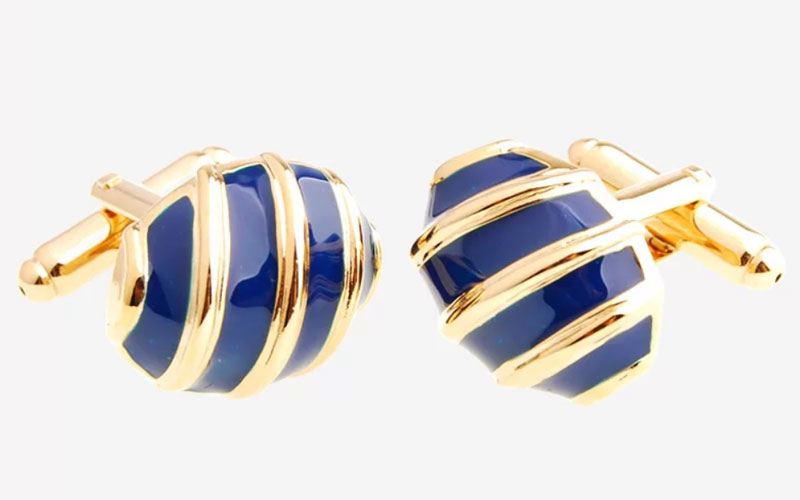
Enamel introduces colour into metal accessories and can be used for logos, initials, and decorative patterns. It is particularly useful for corporate products and themed collections.
Manufacturers should check colour consistency, surface smoothness, and adhesion during production.
4.4 Polishing and Plating
Polishing improves surface smoothness, while plating provides different decorative colours and finishes. Popular options include silver-tone, gold-tone, black, antique, brushed, and matte finishes.
For coordinated product collections, maintaining consistent surface treatments is essential.
5. Applications and Market Opportunities
Customised cufflinks serve different markets because they combine practical functionality with personalisation and gift value.
5.1 Wedding Accessories
Bespoke designs are popular for wedding gifts because they can incorporate the groom’s initials, wedding date, or a meaningful symbol. Matching designs can also be prepared for groomsmen and family members.
Wedding planners and gift suppliers can develop coordinated collections featuring cufflinks, tie clips, and personalised packaging.
5.2 Corporate and Executive Gifts
Companies can use customised accessories for executive gifts, employee awards, business anniversaries, and promotional events.
A company logo or individual initials can make the product more meaningful than standard promotional merchandise. Buyers should consider brand colours, logo proportions, and presentation packaging when developing corporate orders.
5.3 Retail and Private-Label Collections
Men’s accessory retailers and private-label brands can create distinctive collections using different shapes, materials, and finishes.
A product range may include classic metal designs, engraved initials, modern geometric styles, and themed accessories. Offering multiple customisation options allows retailers to serve customers with different preferences.
6. How to Develop a Bespoke Cufflinks Project
A clear development process helps buyers communicate requirements and reduce production errors.
- Step 1: Define the concept. Decide whether the product is intended for personal gifting, retail sales, corporate use, or promotional distribution.
- Step 2: Prepare the artwork. Provide reference images, logos, dimensions, preferred fonts, and decorative details. Vector files are useful for accurate production preparation.
- Step 3: Confirm specifications. Select the material, shape, manufacturing method, surface finish, and fastening mechanism.
- Step 4: Review samples. Check dimensions, engraving clarity, surface quality, colour consistency, and overall assembly before approving the design.
- Step 5: Confirm production and packaging. Discuss order quantities, minimum order requirements, lead times, inspection standards, and customised gift boxes.
Keeping approved artwork and samples can also help maintain consistency when placing repeat orders.
7. Choosing the Right Bespoke Cufflinks Manufacturer
Selecting an experienced manufacturer is important for buyers who require reliable quality and flexible customisation.
First, review the supplier’s experience with metal accessories. Ask whether it can produce different shapes and work with materials such as brass, iron, zinc alloy, aluminium, and stainless steel.
Second, evaluate its design and production capabilities. A suitable manufacturer should be able to discuss artwork adjustments, engraving, stamping, plating, enamel, and packaging options.
Third, request samples to evaluate workmanship before bulk production. Pay particular attention to surface finishes, dimensions, fastening performance, and decorative accuracy.
Finally, confirm minimum order quantities, tooling costs, production schedules, and communication arrangements. Clear specifications and sample approval help establish realistic expectations.
8. Conclusion
Bespoke cufflinks combine individual expression with practical metal craftsmanship. From personalised initials and corporate logos to original shapes and themed designs, custom manufacturing provides flexibility for different occasions and commercial applications.
For wholesalers, retailers, gift suppliers, and private-label brands, working with a capable manufacturer helps transform creative ideas into consistent products. By selecting suitable materials, confirming production details, and reviewing samples carefully, buyers can develop distinctive cufflink collections that meet their customers’ expectations and strengthen their product offering.