
A photograph can capture an important person, a memorable occasion or a special moment that deserves to be remembered. Incorporating that image into a pair of cufflinks creates a personalised accessory with both decorative and sentimental value. Personalized cufflinks with picture are suitable for weddings, anniversaries, family gifts, corporate promotions and customised fashion collections.
For businesses, these products also offer opportunities to develop distinctive merchandise for different customer groups. Gift retailers can provide made-to-order accessories, wholesalers can expand their personalised product ranges, and private-label brands can create exclusive designs using customer-supplied photographs or original artwork.
However, producing attractive picture cufflinks requires careful coordination between image preparation, metal component manufacturing, printing and assembly. Buyers also need to consider product dimensions, surface finishes, packaging and quality control before placing an order.
This article explores the main customisation possibilities, production considerations and supplier selection factors for businesses interested in developing picture-based cufflink products.
1. Why Choose Cufflinks with Custom Pictures?
Traditional cufflinks often feature fixed patterns, geometric shapes or decorative symbols. Picture-based designs offer a different approach because the visible surface can display an image selected by the customer.
This makes the accessory more personal and suitable for occasions where ordinary gifts may not feel distinctive enough. A customer might choose a family portrait, a photograph of a partner, a pet image or a memorable wedding picture. Businesses can also use company logos, promotional graphics and event photographs.
Another advantage is product flexibility. The same basic cufflink structure can be adapted to different images, colours, shapes and packaging styles. This allows manufacturers to produce multiple designs without necessarily developing an entirely different product structure for every order.
For retailers and distributors, personalized cufflinks with picture can be offered as individual gifts or incorporated into broader accessory collections. Their compact size also makes them suitable for presentation in small gift boxes and coordinated sets.
2. Picture Design Ideas for Different Customer Groups
The image selected for a pair of cufflinks should reflect the intended recipient and the occasion. Different customer groups may prefer different visual styles.
Family Portraits and Personal Memories
Family photographs are a meaningful option for customers looking for personalised gifts. Images of children, parents, partners or other family members can be reproduced on the cufflink surface.
These products are suitable for birthdays, Father’s Day, anniversaries and family celebrations. For the best visual result, buyers should choose photographs with clear subjects and good lighting. Close-up portraits are generally easier to recognise when reduced to a small surface.
Wedding and Couple Photographs
Wedding-related designs can feature pictures of the bride and groom, engagement photographs or other memorable moments from a ceremony. They can be developed as gifts for grooms, groomsmen and family members.
Buyers may also combine a photograph with initials, a wedding date or a short message. Coordinated gift boxes can make these products more suitable for wedding retailers and event suppliers.
Pet Pictures
Pet-themed accessories appeal to customers who want to include their dogs, cats or other companion animals in personalised products. A clear image showing the animal’s face is often more effective than a complicated background.
Retailers can offer different animal-themed designs, while custom orders allow individual customers to submit their own photographs.
Corporate Images and Brand Logos
Companies can use photographs, brand logos, product images and event graphics to create customised promotional accessories. These products may be used for business gifts, employee recognition, exhibitions and company anniversaries.
For corporate orders, maintaining consistent image positioning and colour reproduction is important. Every unit should follow the same approved artwork and product specifications.
3. Choosing the Right Cufflink Shape and Image Layout
The shape and size of the cufflink face determine how much of the original picture can be displayed. Therefore, product dimensions should be confirmed before artwork preparation.
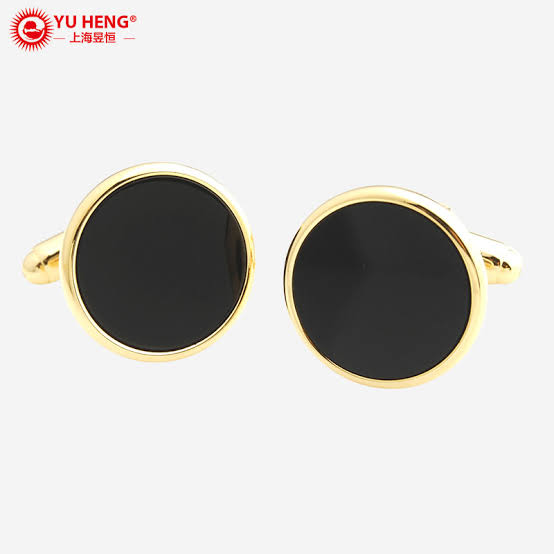
Round cufflinks: A popular option for portraits, pet pictures and simple graphic designs. The circular surface creates a balanced appearance, although photographs may require careful cropping.
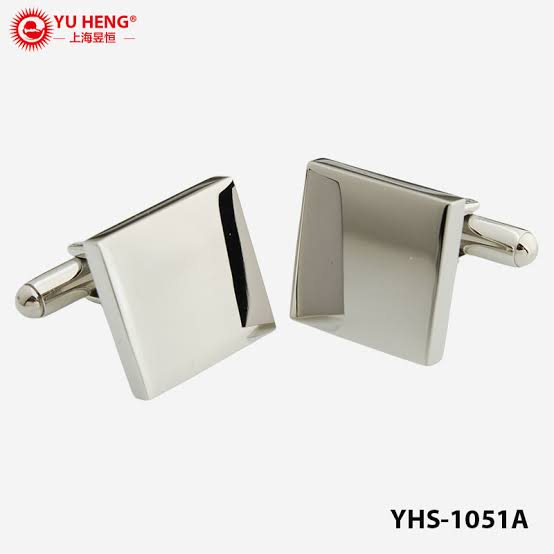
Square cufflinks: Suitable for structured layouts, company logos and images with a central subject. The straight edges provide a defined area for positioning the picture.
Rectangular cufflinks: Offer a wider layout for selected horizontal photographs, text and graphic combinations. They can be useful when the image contains more than one important element.
Oval cufflinks: Provide a softer decorative appearance and can work well with portrait photographs or traditional gift designs.
Custom shapes can also be considered for special projects. However, buyers should evaluate the manufacturing requirements, available image area and overall production cost before choosing an unusual outline.
Another decision is whether both cufflinks should display the same image. Some customers prefer matching pictures, while others choose two different but related photographs. A picture on one cufflink and initials or a date on the other can also create an interesting combination.
4. Materials and Finishing Options
The base material affects the product’s weight, appearance, construction and cost. Common materials used for customised metal cufflinks include brass, stainless steel, zinc alloy, iron and aluminium sheet.
Brass is suitable for various decorative metal components and can support different surface treatments. Stainless steel provides a clean, modern appearance and a sturdy structure. Zinc alloy allows manufacturers to develop selected customised shapes through die casting. Iron and aluminium sheet may also be considered for particular designs and production requirements.
Surface finishes can include polished effects, plated colours and other decorative treatments. Buyers should select a finish that complements the photograph rather than competing with its colours.
The image area may use a printed insert or another suitable image-transfer process. A transparent protective layer can be added depending on the product construction. This helps protect the printed surface from direct contact during normal handling.
When evaluating a proposed design, buyers should confirm the base material, finish, image application method and protective structure. A physical sample is useful for checking how these elements work together.
5. How Custom Picture Cufflinks Are Produced
A professional production process usually includes several stages, from receiving the original image to inspecting the assembled product.
Step 1: Image Submission and Assessment
The customer provides the original photograph or artwork. High-resolution files are recommended because they contain more detail for image adjustment and printing.
The manufacturer checks the image composition, brightness, contrast and subject position. If important details are too close to the edge, cropping or layout adjustments may be suggested.
Step 2: Artwork Editing and Confirmation
The image is resized to fit the selected cufflink dimensions. Colour adjustments, background editing or additional text may be incorporated when requested.
A digital proof should be prepared for customer approval. Buyers need to check the image position, visible details, spelling and overall appearance before production begins.
Step 3: Metal Component Manufacturing
The metal parts are manufactured according to the approved specifications. Depending on the product structure, processes may include stamping, die casting, cutting, polishing and surface finishing.
The front area must be prepared properly so that the image can be applied or assembled evenly.
Step 4: Image Application and Assembly
The selected printing or image-transfer process is used to reproduce the artwork. The printed element is then fitted into the cufflink structure. A protective transparent coating may be applied where required.
During assembly, manufacturers should check alignment, surface cleanliness and the fitting of individual components.
Step 5: Quality Inspection and Packaging
Finished products should be inspected for image clarity, colour consistency, scratches, uneven edges and fastening performance.
For wholesale orders, batch inspection can help identify differences between individual units. Packaging is then completed according to the customer’s requirements, including individual gift boxes, customised inserts or bulk packaging.
6. What Should Buyers Consider Before Ordering?
Before requesting a quotation, buyers should prepare the basic product information. Complete specifications help the manufacturer recommend an appropriate design and provide a more accurate cost estimate.
Important details include:
- Image files: Supply original photographs or high-resolution artwork.
- Product dimensions: Confirm the preferred shape and approximate face size.
- Image arrangement: Specify whether both cufflinks should show the same picture or different images.
- Materials: Identify the preferred metal material and surface finish.
- Order quantity: State the estimated quantity and number of different designs.
- Packaging: Confirm whether individual boxes, printed cards or customised labels are required.
- Delivery schedule: Provide the destination market and expected delivery date.
Buyers should also make sure they have the necessary rights or permission to use the submitted photographs, logos and artwork, particularly for products intended for resale or commercial promotion.
7. How to Select a Personalized Cufflinks with Picture Manufacturer
Choosing a suitable personalized cufflinks with picture manufacturer is important for achieving consistent results, especially when developing products for wholesale distribution or private-label sales.
First, evaluate the manufacturer’s customisation capabilities. A suitable production partner should understand both metal accessory manufacturing and image application. This makes it easier to coordinate the product structure with the photograph and avoid design problems.
Second, ask about sample production. A physical sample allows buyers to evaluate image clarity, colour appearance, surface finish, dimensions and fastening quality before confirming a bulk order.
Third, check the supplier’s quality inspection procedures. Important inspection points include incorrect image placement, printing defects, surface scratches, loose components and inconsistent finishes.
Finally, discuss production capacity, minimum order quantities, sampling costs, packaging and lead times. Clear communication about these details helps prevent misunderstandings and makes future repeat orders easier to manage.
8. Working with a Reliable Personalized Cufflinks with Picture Supplier
A professional personalized cufflinks with picture supplier should provide support throughout the customisation process, rather than simply offering a selection of standard products.
For wholesalers and distributors, flexible production options make it possible to develop multiple designs for different markets. Gift retailers may need different photographs, shapes and packaging styles. Corporate buyers may require consistent branding across a large order.
OEM and ODM services provide additional opportunities. Buyers can submit finished artwork or cooperate with the manufacturer’s design team to adjust the layout, product dimensions, materials and packaging. This approach is useful for businesses building their own accessory collections.
Shanghai Yuheng is a professional custom cufflinks manufacturer, offering customised metal accessory production for customers with different design concepts and order requirements.
When comparing suppliers, buyers should consider not only the quoted unit price but also sample quality, communication, production consistency and the ability to support future orders.
9. Develop Custom Personalized Cufflinks with Picture for Your Market
Creating custom personalized cufflinks with picture involves more than placing a photograph on a metal surface. The image, product shape, material, printing method and finishing details all influence the final result.
For individual gifts, the priority may be personal meaning and attractive presentation. For wholesalers, retailers and private-label brands, consistent workmanship, competitive pricing, packaging flexibility and reliable production are equally important.
Start with clear artwork and complete product specifications. Review the digital proof, evaluate a physical sample and confirm the agreed requirements before mass production.
With thoughtful design and a capable manufacturing partner, picture-based cufflinks can become distinctive products for gift collections, wedding accessories, corporate merchandise and customised retail ranges.