
Personalised mens cufflinks are a popular choice for businesses looking to create distinctive men’s accessories for weddings, corporate gifts, fashion collections, promotional campaigns, and wholesale distribution. From engraved initials and important dates to company logos, custom shapes, and unique surface finishes, personalization allows a standard accessory to become a product with a specific identity.
From a manufacturer’s perspective, producing personalised cufflinks is not simply a matter of adding a name or logo to an existing product. Successful customization involves design evaluation, material selection, tooling, production, surface finishing, engraving, assembly, quality inspection, and packaging. Every stage can influence the appearance, functionality, and consistency of the final product.
For retailers, wholesalers, wedding suppliers, corporate gift companies, and fashion brands, understanding how personalized cufflinks are manufactured can make it easier to select the right production partner and communicate product requirements effectively.
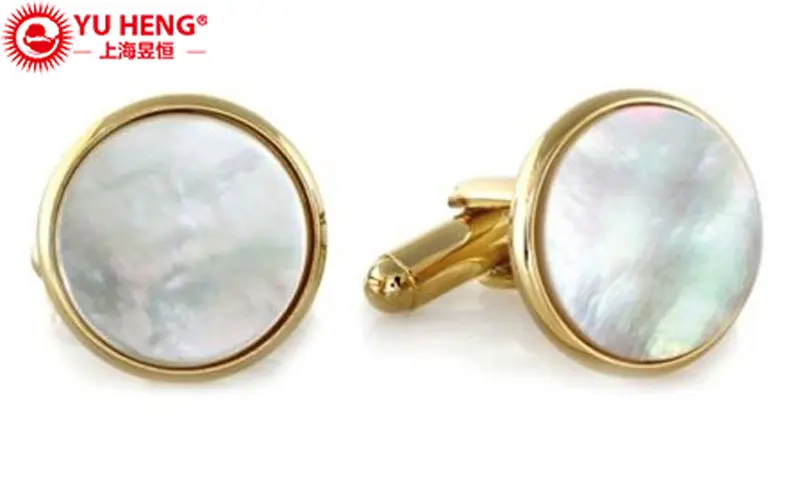
What Are Personalised Mens Cufflinks?
Personalised mens cufflinks are men’s shirt accessories developed with customized details according to the customer’s requirements.
Unlike standard catalog cufflinks, personalized products can be adapted in many ways. A buyer may request initials, names, dates, handwriting, logos, symbols, patterns, or completely new artwork.
From a manufacturing perspective, customization can affect the shape, dimensions, surface area, production method, and finishing process. Even a simple engraving request needs to be evaluated according to the size and detail of the artwork.
Popular personalization options include:
- Initials and names
- Wedding dates
- Company logos
- Handwritten messages
- Signatures
- Symbols
- Custom artwork
- Enamel details
- Textured patterns
- Custom shapes
The manufacturer needs to convert the customer’s creative idea into a design that can be produced consistently at the required quantity.
Why Work with a Manufacturer for Personalised Cufflinks?
For businesses ordering customized accessories, working directly with a manufacturer can provide greater control over product development.
A manufacturer can communicate directly about technical specifications, samples, production methods, finishing, packaging, and quality standards. This can reduce misunderstandings that may occur when several intermediaries are involved.
Direct manufacturing also provides opportunities for product development. Instead of selecting an existing design, buyers can create cufflinks specifically for their target customers.
For example, a wedding supplier can develop a collection of personalized designs for grooms and groomsmen. A fashion retailer can create an exclusive accessory range. A company can develop branded cufflinks for employees, clients, or business events.
Custom Design Development
The manufacturing process usually begins with a customer’s artwork, sketch, reference image, logo, or product concept.
The manufacturer’s design team or production engineers review the proposed design and consider whether it is suitable for manufacturing.
Important factors include:
- Product dimensions
- Overall thickness
- Shape complexity
- Logo size
- Engraving details
- Edge structure
- Fastening mechanism
- Surface area
- Finishing requirements
Sometimes a design looks excellent on a computer screen but contains details that are too small or complicated for the selected production process.
An experienced manufacturer can suggest practical modifications while maintaining the original design concept.
This stage is particularly important for personalized products because small changes in artwork can significantly affect the final result.
Material Selection for Custom Cufflinks
Material selection is another important part of product development.
Common materials used for men’s metal accessories include brass and stainless steel. Other material specifications can also be considered depending on the customer’s design, budget, performance requirements, and target market.
Different materials can influence:
- Product weight
- Surface appearance
- Machining characteristics
- Engraving results
- Finishing options
- Production cost
- Durability
The manufacturer should recommend a suitable material according to the actual application instead of selecting a material based only on appearance.
For example, a cufflink intended for frequent use may require different considerations from a decorative promotional item produced for a one-time event.
Manufacturing Process of Personalised Mens Cufflinks
The production process varies according to the design, but most customized cufflinks go through several important stages.
1. Artwork Confirmation
The customer provides artwork or product specifications.
The manufacturer checks the file and confirms dimensions, logo placement, engraving requirements, surface finish, colors, and other details.
2. Engineering and Tooling
If the design requires a custom shape or structure, dedicated tooling may need to be developed.
Tooling must accurately reproduce the required dimensions and decorative details. The complexity of the design and production quantity can influence tooling requirements.
Before tooling begins, manufacturers should confirm the final specifications with the customer.
3. Component Production
The main cufflink components are produced according to the approved design.
Depending on the product, manufacturing methods may include stamping, machining, casting, cutting, or other metal-forming processes.
The selected process depends on factors such as design complexity, order quantity, dimensions, and required detail.
4. Surface Preparation
After forming, the components may require grinding, polishing, brushing, or other preparation.
The objective is to create a suitable surface for the final finishing and personalization processes.
Surface preparation is important because scratches, uneven areas, or unwanted marks can become more visible after the final finish is applied.
5. Personalization
This is where the customer’s individual design elements are added.
Depending on the product, personalization can include laser engraving, mechanical engraving, enamel filling, embossed details, or other decorative techniques.
The manufacturer needs to maintain accurate positioning and consistent reproduction throughout the order.
6. Assembly
The decorative front is assembled with the cufflink fastening mechanism.
The components should be securely connected and properly aligned.
The mechanism also needs to function smoothly so that the finished cufflinks are practical to wear.
7. Final Inspection
Finished cufflinks are inspected before packaging.
Quality checks may include dimensions, surface appearance, engraving accuracy, color consistency, assembly quality, mechanism performance, and packaging condition.
For large orders, batch consistency is especially important.
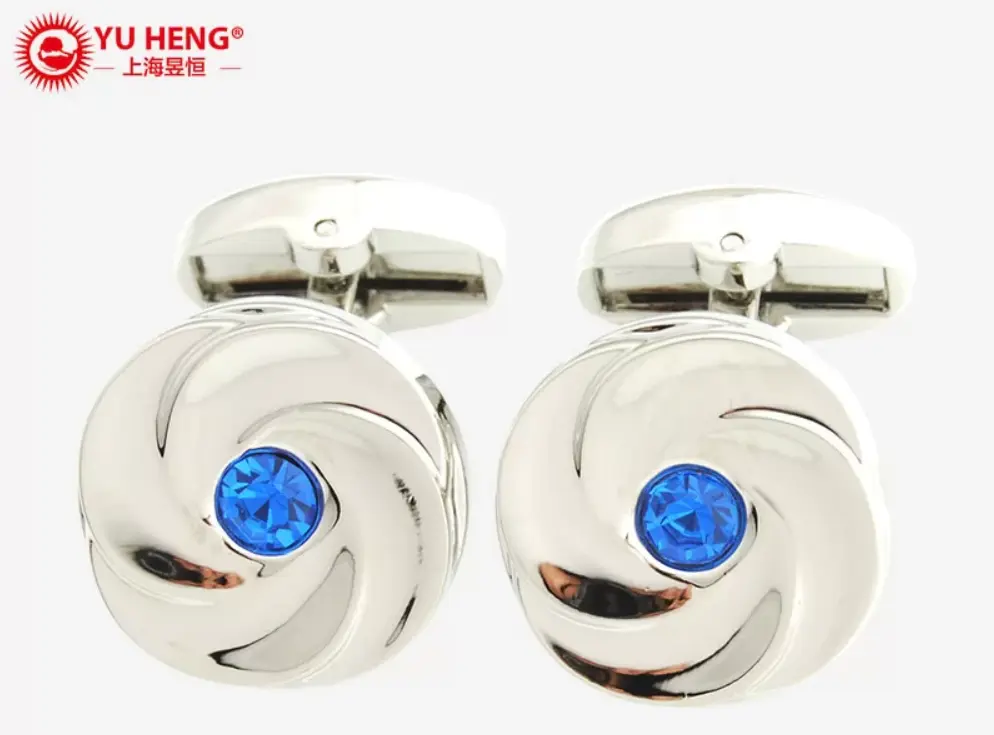
Personalised Cufflinks for Weddings
Weddings are one of the most important applications for customized men’s cufflinks.
From a manufacturer’s perspective, wedding orders often require a combination of standardized design and individual personalization.
For example, a wedding party may order the same cufflink design for ten people while changing the initials on each pair.
The groom may receive a special design featuring a wedding date or personal message, while the groomsmen receive matching versions with their individual initials.
Manufacturers need to organize these variations carefully to avoid mixing up personalization details during production and packing.
Clear labeling and order documentation are therefore essential for wedding projects.
Corporate and Promotional Cufflinks
Businesses can also use personalized cufflinks for corporate gifting and promotional purposes.
A company logo can be incorporated into the cufflink design, either as the main decorative element or as a smaller detail.
Corporate cufflinks may be produced for:
- Employee recognition
- Company anniversaries
- Business events
- Client gifts
- Executive gifts
- Promotional campaigns
- Brand launches
From a manufacturing perspective, corporate orders often require consistent logo reproduction and professional packaging.
The manufacturer should confirm the correct logo file, dimensions, positioning, and finishing requirements before production.
Custom Shapes and Finishes
Customization does not have to be limited to engraving.
Manufacturers can also develop cufflinks with custom shapes and surface treatments.
Popular shapes include:
- Round
- Square
- Rectangular
- Oval
- Bar-shaped
- Geometric
- Letter-shaped
- Logo-shaped
Different finishes can create completely different visual effects.
Available options may include polished, matte, brushed, textured, or antique-style finishes.
A manufacturer can also combine finishes within one product. For example, the background can have a matte surface while the logo area receives a contrasting finish.
Quality Control from a Manufacturer’s Perspective
Quality control is one of the most important parts of customized cufflink manufacturing.
Because personalized products are often produced according to detailed customer specifications, manufacturers need to control both general product quality and individual customization accuracy.
Important inspection points can include:
Dimension Control
The size and thickness should match the approved specifications.
Logo and Engraving Accuracy
The logo, initials, or text should be correctly positioned and reproduced clearly.
Surface Quality
The finished surface should be checked for scratches, uneven finishing, unwanted marks, and other visible defects.
Mechanism Performance
The fastening mechanism should function correctly and maintain a secure connection.
Batch Consistency
For wholesale orders, products across the same batch should maintain consistent dimensions, appearance, finish, and personalization quality.
Sample approval can provide an important reference for these inspections.
Sample Development Before Mass Production
For custom projects, manufacturers generally recommend approving a sample before starting mass production.
A sample allows the buyer to evaluate the actual product instead of relying only on drawings or digital renderings.
Buyers can check:
- Overall size
- Product weight
- Shape
- Engraving
- Logo placement
- Color
- Surface finish
- Fastening mechanism
- Packaging
Once the sample is approved, the manufacturer can use it together with the technical specifications as a reference during production.
This process can significantly reduce the risk of misunderstandings.
Wholesale and Bulk Production
Businesses ordering personalised mens cufflinks in bulk should provide complete product information before requesting a quotation.
Important details include quantity, design files, dimensions, material requirements, personalization method, finish, packaging, and delivery schedule.
Manufacturers also need to know whether every pair requires different personalization or whether the entire order will use the same design.
For example, producing 500 identical cufflinks with one company logo is operationally different from producing 500 pairs with different names or initials.
Personalization data should therefore be organized clearly before production begins.
Packaging and Private Label Options
Packaging can be customized together with the cufflinks.
Businesses can choose standard packaging or develop branded boxes with logos, colors, product information, and other visual elements.
Common packaging solutions include:
- Individual gift boxes
- Presentation boxes
- Paper boxes
- Protective inserts
- Custom printed boxes
- Retail packaging
For wedding products, customized packaging can include the recipient’s name or event information. For corporate orders, branded packaging can reinforce the company’s visual identity.
Choosing a Reliable Manufacturer
When selecting a supplier, buyers should look beyond product photos and unit prices.
A reliable manufacturer should demonstrate experience in custom product development and be able to explain the production process clearly.
Key factors to evaluate include:
- Custom design capability
- Manufacturing experience
- Material options
- Engraving quality
- Surface finishing
- Sample development
- Quality control
- Production capacity
- Packaging capability
- Communication
- Delivery reliability
A good manufacturer should also be transparent about what can and cannot be achieved with a particular design.
Clear communication at the beginning of a project can prevent costly changes later.
Conclusion
Personalised mens cufflinks combine traditional men’s accessories with customized design, making them suitable for weddings, groomsmen gifts, corporate programs, fashion collections, and wholesale products.
From a manufacturer’s perspective, successful personalization requires much more than adding initials or a logo. It involves careful design development, material selection, tooling, production, surface preparation, engraving, assembly, inspection, and packaging.
For buyers, choosing an experienced manufacturing partner can make the customization process more efficient and predictable. A reliable supplier should be able to turn artwork or creative concepts into practical products while maintaining consistent quality throughout mass production.
Whether the requirement is a small wedding order, a corporate gift project, or a large wholesale collection, clear specifications and sample approval are essential steps toward achieving the desired result.
For businesses developing customized men’s accessories, Shanghai Yuheng can support personalised cufflink design, manufacturing, customization, and wholesale production according to different project requirements.