
If you want to design your own cufflinks, you can create accessories that reflect a personal style, communicate a brand identity, or mark a special occasion. From selecting materials and finishes to adding initials, logos, or distinctive patterns, custom cufflinks offer many opportunities for personalisation. For retailers, wholesalers, and private-label brands, they also provide a way to develop exclusive product collections that stand apart from standard accessories.
Working with an experienced cufflinks manufacturer can help turn an initial idea into a practical product. Understanding the design process, material options, production methods, and quality requirements makes it easier to plan a successful project. Whether you are developing a single personalised gift or preparing a wholesale order, the following guide explains how to design your own cufflinks from concept to production.

Why Design Your Own Cufflinks?
Standard cufflinks are available in many styles, but they may not meet every customer’s requirements. Custom design gives buyers more control over the appearance, materials, dimensions, colours, and decorative details of the finished product.
For individuals, personalised cufflinks can feature initials, meaningful dates, family symbols, or designs connected to hobbies and interests. They can also serve as gifts for weddings, anniversaries, graduations, and professional milestones.
For businesses, custom cufflinks can support branding and product differentiation. Corporate gift suppliers may incorporate company logos, while menswear retailers can develop exclusive collections for their customers. Wedding suppliers can create coordinated accessories for grooms, groomsmen, and other members of a wedding party.
Wholesalers and private-label brands can use custom designs to establish a recognisable product range. Instead of competing only on standard designs, they can offer distinctive styles tailored to specific customer groups.
The key is to balance creativity with manufacturing feasibility. A design should look attractive at cufflink size, work with the selected materials, and remain practical to produce consistently.
Step 1: Define Your Cufflink Design Concept
Before selecting materials or requesting a quotation, decide what you want your cufflinks to communicate. A clear concept provides direction for every subsequent design decision.
Choose a Shape and Theme
The overall shape is one of the first elements to consider. Traditional options include round, square, rectangular, and oval faces. More distinctive projects may use geometric outlines, symbols, letters, animals, or custom-cut shapes.
The choice depends on the target audience and intended use. Minimalist shapes may suit business attire and formal occasions, while colourful or themed designs can appeal to gift buyers and niche retail markets.
For B2B projects, it is useful to define the intended customer before finalising the design. A premium menswear collection may require understated styling, whereas promotional merchandise may prioritise recognisable logos and brand colours.
Develop a Clear Visual Identity
A cufflink design can communicate a message through shape, colour, typography, and decorative details. Initials create a personalised appearance, while logos help businesses reinforce brand recognition. Symbols and patterns can also give a product a distinctive identity.
When developing artwork, avoid including too many elements on a small surface. Fine lines, tiny text, and complicated illustrations may lose clarity when reduced to cufflink size. A simplified design often produces a cleaner result and is easier to reproduce.
If you are creating a product for a brand or organisation, prepare a high-resolution logo file and confirm that you have permission to use the artwork. Clear source files help the manufacturer assess the design and identify any technical adjustments required.
Step 2: Select Materials and Finishes
Materials and surface finishes influence the appearance, weight, durability, and cost of custom cufflinks. Your choice should reflect the design concept, target price, and expected market.
Common Material Options
Brass is widely used for decorative metal accessories because it supports a variety of shapes, surface treatments, and finishes. It can be suitable for cufflinks featuring engraved details, polished surfaces, or decorative elements.
Stainless steel is another option for buyers seeking a contemporary appearance. It can work well with clean geometric designs, simple initials, and understated styles. Other materials may also be considered depending on the manufacturer’s capabilities and the product specification.
When comparing material options, ask the manufacturer to clarify the base material and surface treatment. The appearance of a finished product alone does not establish its underlying material composition.
For wholesale orders, material consistency is particularly important. Confirming specifications before production helps ensure that repeat orders match the original product requirements.
Choose a Suitable Finish
The finish contributes significantly to the final appearance of cufflinks. Silver-tone finishes are versatile and work with many formal outfits. Gold-tone finishes create a warmer appearance, while black finishes can provide a modern, understated look.
Polished surfaces reflect light and create a smooth appearance. Brushed or matte finishes offer a more subtle effect. Enamel can introduce colour to logos, symbols, or decorative patterns when the design and production method support it.
If your collection includes multiple designs, consider using a consistent finish across the range. This helps products look coordinated even when their shapes or artwork differ.
Step 3: Personalise Your Cufflinks
Personalisation is one of the main reasons customers choose to design their own cufflinks. The right details can transform a standard accessory into a product with individual or commercial significance.
Initials, Names, and Engraving
Initials are a popular option for personalised gifts and formal accessories. They can be engraved, incorporated into a decorative pattern, or used as the main visual feature of the cufflink face.
Names, dates, and short messages provide additional options for special occasions. However, available space should guide the amount of text included. Long wording may be difficult to read on a small surface, so buyers should review font size and layout carefully.
Before production, confirm the spelling, character spacing, font style, and engraving position. Approving a digital proof or physical sample can help prevent errors in bulk orders.
Logo and Corporate Cufflinks
Businesses can design custom cufflinks featuring company logos, symbols, or brand colours. These products can be used for corporate gifts, employee recognition, client events, and branded merchandise.
The logo should remain recognisable at the final dimensions. If the original artwork includes small lettering or complex shapes, the manufacturer may recommend simplifying certain elements.
For private-label brands, custom packaging can complement the cufflink design. A coordinated box, insert, or printed logo can create a consistent presentation and support the overall brand experience.
Step 4: Understand the Manufacturing Process
Once the design concept is established, the next step is to determine how the cufflinks can be manufactured. The appropriate process depends on the shape, level of detail, material, finish, and required order quantity.
Some designs may be produced using stamping, casting, cutting, engraving, or other metalworking methods. Decorative colour may involve enamel or alternative surface treatments, depending on the artwork and construction.
Not every production method is suitable for every design. For example, a detailed three-dimensional shape may require a different approach from a flat cufflink featuring a simple engraved logo.
A manufacturer can assess the artwork and recommend adjustments where necessary. This technical review may cover minimum line thickness, surface area, edge details, fastening structure, and finishing requirements.
It is also important to consider the fastening mechanism. Common options include bullet-back mechanisms and other cufflink fastening styles. The selected mechanism should be comfortable to operate, secure during wear, and appropriate for the product’s dimensions.
For custom projects, ask how the decorative front will be connected to the fastening mechanism. Assembly quality affects the product’s reliability and should be checked during sample approval.
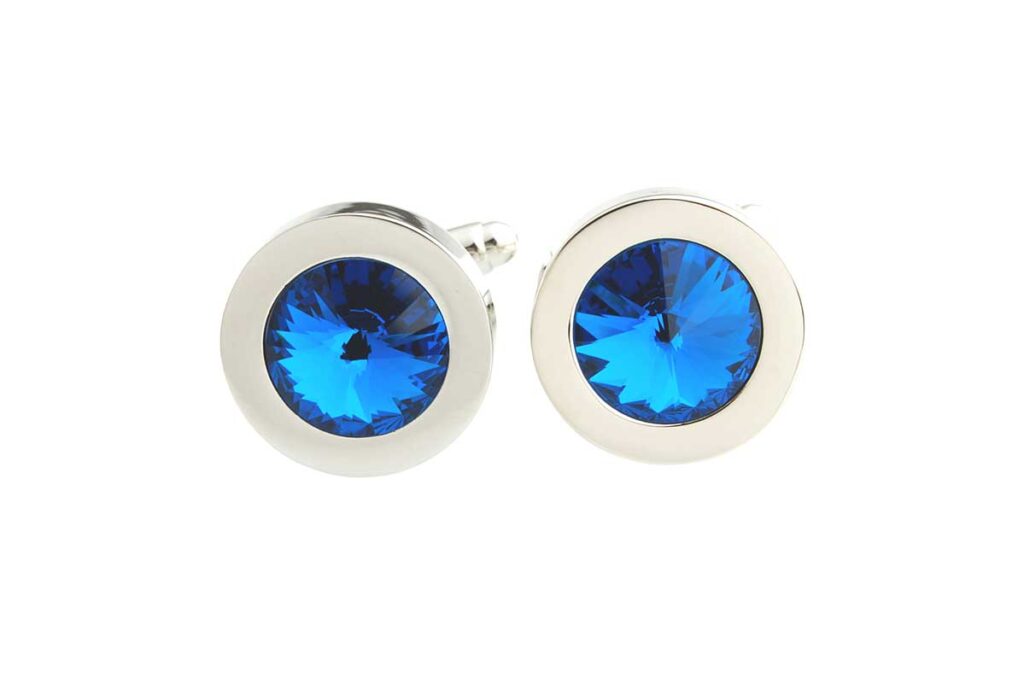
Step 5: Create and Approve a Sample
A sample allows you to evaluate your design before committing to mass production. It provides an opportunity to identify problems that may not be obvious in a digital drawing.
When reviewing a sample, examine the overall dimensions, shape accuracy, surface finish, colour consistency, engraving clarity, and fastening performance. Check whether the finished product matches the approved artwork and specifications.
If the cufflinks are intended for a wholesale collection, assess whether the design can be reproduced consistently across the planned quantity. For products with several colours or variations, review each version separately.
Make any necessary changes before giving final approval. Keep a record of the approved sample, artwork, material specifications, finish, and packaging requirements. These records provide a reference for production and future reorders.
Sampling costs and lead times vary according to design complexity, tooling requirements, and manufacturing arrangements. Request this information when discussing the project with your supplier so you can plan your schedule and budget.
Step 6: Work with a Reliable Cufflinks Manufacturer
Choosing the right manufacturing partner is essential when you want to design your own cufflinks for commercial distribution. The supplier should understand your requirements, communicate clearly, and have the capabilities needed for the proposed design.
Evaluate Design and Production Capabilities
Ask whether the manufacturer can support custom shapes, engraving, logo application, colour options, different finishes, and private-label packaging. If your project involves complex artwork, provide reference files and ask for a technical assessment before finalising the design.
You should also clarify the available materials, fastening mechanisms, sample process, minimum order quantity, and production lead time. These factors influence whether the supplier is suitable for your order.
Compare Quotations Carefully
Price is important, but quotations should be compared using the same specifications. A complete quotation should identify the material, dimensions, finish, customisation method, order quantity, packaging, and any additional development charges.
Ask whether the quoted price includes sampling, mould or tooling costs where applicable, individual packaging, and other required services. Shipping and applicable import costs should also be considered when calculating the total sourcing budget.
Clear specifications make it easier to evaluate offers fairly and reduce the risk of unexpected changes later.
Establish Quality Requirements
Before mass production, agree on the standards that the finished cufflinks must meet. Depending on the design, these may include dimensions, appearance, engraving accuracy, finish consistency, fastening performance, and packaging condition.
For repeat orders, retain the approved sample and product specification. A documented reference helps both parties maintain consistency as the product range develops.
Conclusion
To design your own cufflinks successfully, begin with a clear concept, select suitable materials and finishes, and develop artwork that remains attractive at a small scale. Personalised initials, engraved messages, company logos, and distinctive shapes can all help create a product that meets specific personal or commercial needs.
For wholesalers, retailers, and private-label brands, working with a capable cufflinks manufacturer makes it easier to coordinate design development, sampling, bulk production, and quality control. By confirming specifications, reviewing samples, comparing complete quotations, and planning packaging and delivery in advance, you can turn a creative idea into a practical custom cufflink product ready for your target market.