
Custom photo cufflinks offer businesses a distinctive way to turn meaningful photographs into personalised accessories. They can be developed for weddings, anniversaries, memorial gifts, family occasions, corporate programmes, special events, retail collections, and private-label product lines. By combining a photograph with a wearable accessory, these products can provide a stronger emotional connection than standard cufflinks.
For B2B buyers, however, producing custom photo cufflinks requires more than placing an image on a product. The photograph needs to be prepared for a small display area, the cufflink design must provide suitable space for the image, and the production method needs to maintain consistent quality across different photographs. A capable manufacturer can help buyers manage image preparation, product development, sampling, bulk production, quality inspection, and packaging.

Why Custom Photo Cufflinks Are Attractive to Buyers
The main appeal of custom photo cufflinks is personalisation. A photograph can represent a person, relationship, memory, event, or organisation, giving the product a clear story behind its design.
Wedding businesses can offer cufflinks featuring photographs of couples, family members, or important moments. Gift companies can create products for birthdays, anniversaries, Father’s Day, graduations, and other occasions. Retailers can also develop made-to-order collections where customers submit photographs during the purchasing process.
For corporate applications, photographs can be used for employee recognition, commemorative events, or special internal programmes. The product can also be combined with packaging or printed cards to create a complete personalised gift solution.
This flexibility makes custom photo cufflinks suitable for both individual orders and scalable B2B product lines.
Selecting the Right Photo
The quality of the final cufflink depends heavily on the original photograph. Buyers should establish clear image requirements before accepting customer orders.
High-resolution photographs generally provide more usable information for cropping and processing. Images that are too small or heavily compressed may lose important details when reduced to the cufflink’s actual display area.
The composition of the photograph also matters. Faces, important objects, and other key details should remain visible after cropping. A photograph with the main subject close to the edge may be difficult to adapt to a small round or rectangular surface.
For online retailers, providing customers with simple photo guidelines can reduce production problems. Customers can be asked to submit clear images with sufficient resolution and avoid photographs where important subjects are partially hidden.
Photo Cropping and Layout
A photograph rarely fits the cufflink surface perfectly without adjustment. Cropping is therefore an important part of the production process.
Round cufflinks require a different crop from rectangular or square designs. The manufacturer may need to reposition the photograph so that the most important part remains inside the visible area.
The aspect ratio should also be considered. A wide photograph may require more cropping when used on a compact cufflink, while a portrait-oriented photograph may work better with certain shapes.
For B2B buyers, it is useful to establish standard image templates. If a retailer sells several cufflink shapes, each shape can have a corresponding photo area and cropping guideline. This creates a more consistent customer ordering process.
Choosing the Cufflink Design
The cufflink structure should complement the photograph rather than compete with it. A simple frame can help direct attention toward the image, while decorative elements may be used when the product is intended for a more elaborate gift collection.
Round, square, rectangular, oval, and custom-shaped front pieces can provide different visual effects. The appropriate choice depends on the target customer, photograph type, retail positioning, and production requirements.
The size of the image area is also important. A larger surface may provide better visibility for portraits or detailed photographs, while a smaller design can create a more understated appearance.
When developing a product range, buyers should consider how different shapes will affect both photo compatibility and production efficiency.
Photo Reproduction and Surface Quality
A good photograph on a computer screen does not automatically guarantee the same appearance on a finished cufflink. The physical product introduces additional factors such as surface size, material, coating, light reflection, and viewing distance.
The manufacturer needs to select a suitable method for transferring or presenting the image according to the product construction. The image should remain sufficiently clear after production, and the surface should provide appropriate protection for normal handling.
Colour reproduction is another consideration. Photographs contain many tones and subtle details, so the production process should be evaluated through sampling before a large order is confirmed.
For B2B projects, buyers should assess actual samples rather than approving the product based only on digital previews.
Working with a Custom Photo Cufflinks Manufacturer
A custom photo cufflinks manufacturer should be able to support the project from initial product development through final production.
The development process may include reviewing the proposed cufflink shape, confirming the photo area, evaluating image requirements, preparing samples, selecting the appropriate decoration or image application process, and establishing production standards.
Communication is particularly important because every customer photograph can be different. Some images may be bright, dark, wide, narrow, detailed, or low in contrast. A manufacturer with experience in personalised products can help establish practical guidelines for handling these variations.
For repeat B2B orders, the manufacturer should also be able to retain approved product specifications so that future production can follow the same standard.
Sampling Before Bulk Production
Sampling provides an opportunity to evaluate the actual appearance of the product before committing to wholesale quantities.
A buyer should inspect several aspects of the sample, including image clarity, cropping, positioning, surface appearance, cufflink construction, attachment components, and overall presentation.
If the project will involve different types of photographs, testing multiple image examples can be useful. A portrait photograph, group photograph, landscape image, and detailed image may behave differently during production.
This testing stage can help establish the practical limits of the product. Once the sample is approved, the specifications can be used as a reference for bulk production.
Managing Wholesale Custom Photo Cufflinks
Wholesale custom photo cufflinks require more structured order management than standard products. Each customer may provide a different photograph, and each photograph may need to be associated with a specific quantity and product version.
A clear order system should identify the customer’s order number, image file, product style, quantity, and any special instructions. This information should remain consistent from order confirmation through production and packaging.
For larger orders, buyers can also establish standard file naming rules. This makes it easier for the production team to match each photograph with the correct product and reduces the possibility of image mix-ups.
If the same retailer receives repeat personalised orders, a standard workflow can significantly improve efficiency.
Quality Control for Custom Photo Cufflinks
Quality control should cover both the cufflink and the photograph. The physical product should be inspected for dimensions, finish, attachment quality, scratches, stains, and other visible defects.
The photo itself should be checked for correct positioning, clarity, colour appearance, and correspondence with the approved customer file.
Personalised products require particularly careful data management because an incorrect photograph cannot simply be treated as a minor cosmetic defect. It may make the entire product unusable for the intended customer.
For this reason, production teams should establish clear checkpoints before and during manufacturing. Final inspection should also confirm that the correct photographs are paired with the correct quantities and packaging.
Packaging for Custom Photo Cufflinks
Packaging can add considerable value to a personalised cufflink product. Individual boxes can protect the product during transportation while also creating a more suitable presentation for gifting.
Wedding suppliers may choose packaging that matches the event style. Retailers may require packaging suitable for online orders, while private-label businesses may need customised inserts, cards, labels, or other presentation materials.
For wholesale projects, packaging requirements should be confirmed before production begins. This allows the manufacturer to coordinate product and packaging quantities and avoid delays caused by last-minute changes.
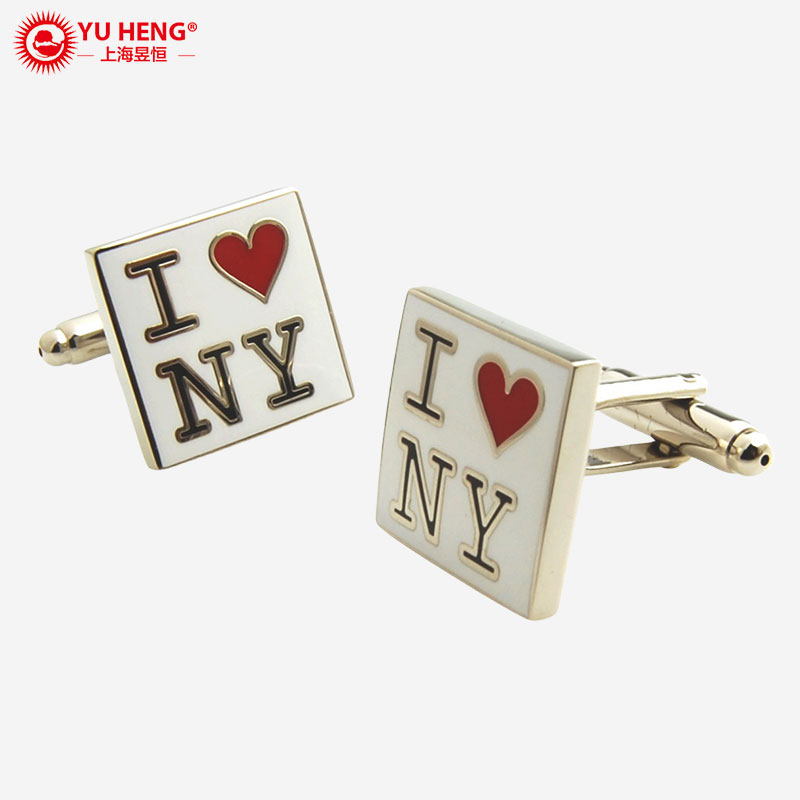
Custom Photo Cufflinks for Weddings and Gifts
Weddings are one of the most suitable applications for photo-based cufflinks. A photograph can represent the couple, a family member, a special memory, or another meaningful moment.
Gift businesses can also create products around birthdays, anniversaries, family events, graduations, and commemorative occasions. The emotional value of the photograph gives the product a clear selling point.
For retailers, custom photo cufflinks can be offered as made-to-order products rather than stocked with a fixed design. This can reduce the need to maintain large quantities of finished personalised products while allowing customers to select their own images.
Private-Label Opportunities
Private-label businesses can incorporate custom photo cufflinks into a broader personalised accessories collection. The product can share common packaging, product photography, ordering procedures, and customer-service processes with other personalised items.
A manufacturer can help standardise the product dimensions, photo area, materials, packaging, and production specifications. Once these details are established, the business can focus on marketing and customer acquisition while using a consistent manufacturing workflow.
For retailers with an online customisation system, clear production templates can also make photo submission easier for customers and reduce manual communication.
How to Prepare a Custom Photo Cufflinks Project
Before contacting a manufacturer, buyers should prepare several details:
- Preferred cufflink shape and size
- Estimated order quantity
- Target customer and application
- Photo dimensions or preferred image area
- Expected image quality
- Surface and finish requirements
- Packaging specifications
- Sample requirements
- Delivery schedule
- Shipping and labelling requirements
Providing these details allows the manufacturer to evaluate the project more accurately and identify potential production issues before the order enters mass production.
What to Look for in a Supplier
When selecting a supplier for custom photo cufflinks, buyers should consider manufacturing experience, sample quality, communication, production capacity, personalisation capabilities, quality control, and packaging support.
Price is important, but the lowest quotation may not provide the best overall value if the production process creates image-quality problems or order-management difficulties.
A suitable supplier should be able to explain how photographs will be prepared, how samples will be evaluated, how personalised information will be managed, and how quality will be controlled during bulk production.
For businesses placing repeat orders, consistency and communication are especially important.
Conclusion
Custom photo cufflinks provide a flexible product solution for businesses serving the wedding, gift, retail, corporate, and private-label markets. Their value comes from combining a wearable accessory with a photograph that has personal or commercial meaning.
Successful production depends on careful photo selection, appropriate cropping, suitable cufflink design, reliable image reproduction, accurate sampling, organised bulk-order management, and strict quality control. Working with an experienced custom photo cufflinks manufacturer can help buyers manage these requirements and create a repeatable production process.
For businesses purchasing wholesale custom photo cufflinks, the ideal supplier should provide more than finished products. Strong manufacturing support, clear communication, consistent quality, and coordinated packaging can help turn personalised cufflinks into a scalable product line suitable for long-term B2B sales.