
When buyers search for personalised men’s accessories, the terms “bespoke” and “custom” are often used interchangeably. However, they can describe different approaches to product development. Understanding the difference between bespoke cufflinks and custom cufflinks can help retailers, wedding suppliers, corporate gift companies, fashion businesses, and private-label buyers choose a production method that matches their requirements.
Both options can involve personalised designs, logos, initials, shapes, finishes, and packaging. The main difference is usually the degree of individualisation involved and how the product moves from an initial concept to a finished item.
For B2B buyers, the distinction can also affect sampling, tooling, production quantities, communication, lead times, and overall project management. A clear understanding of these factors makes it easier to communicate with a bespoke cufflinks manufacturer or bespoke cufflinks supplier before placing an order.
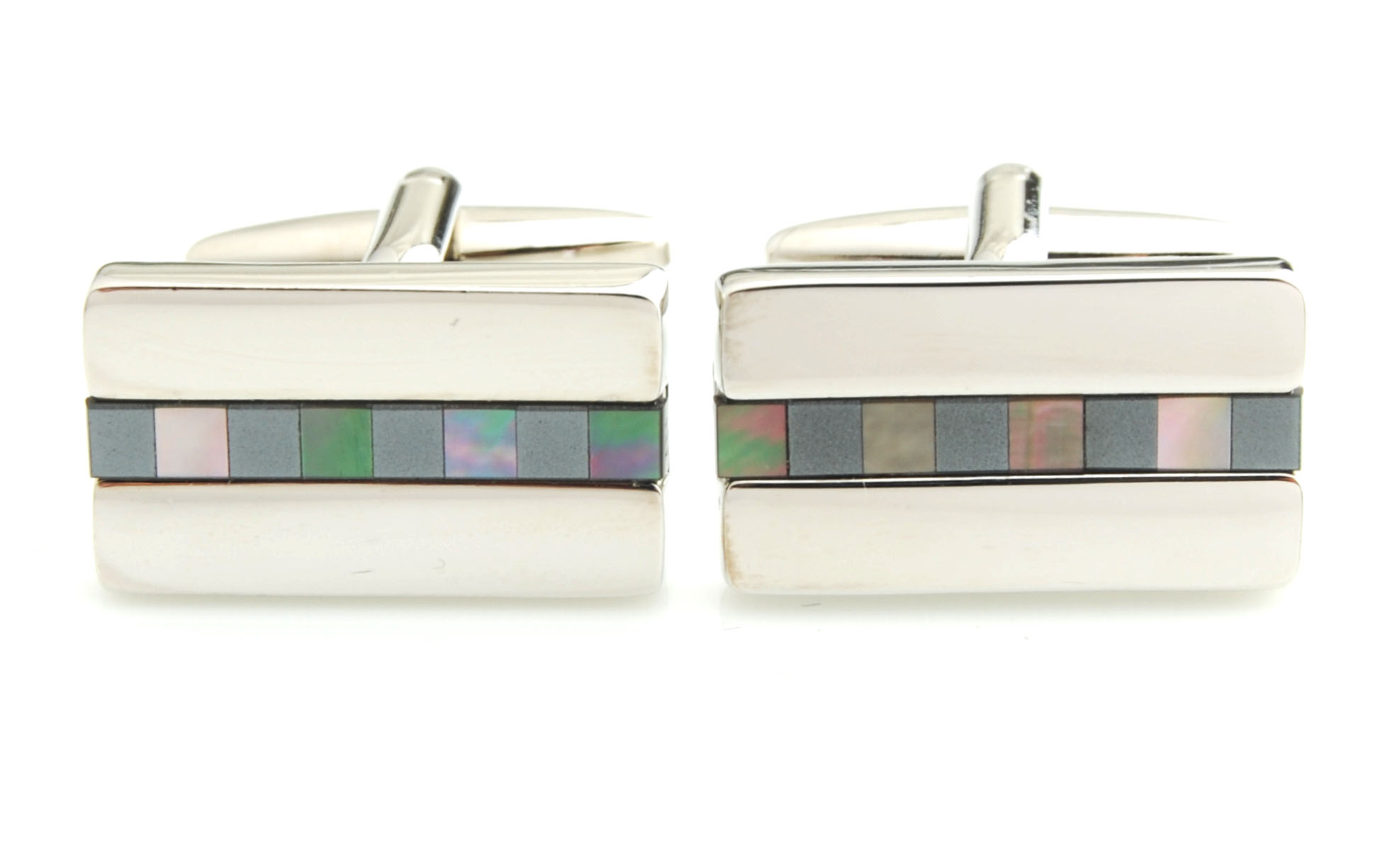
What Are Bespoke Cufflinks?
Bespoke cufflinks are generally developed around a specific customer concept rather than being selected from a standard product range with minor modifications.
The buyer may provide an original sketch, logo, unusual shape, monogram, symbolic element, or completely new product concept. The manufacturer then works with the buyer to turn that concept into a manufacturable cufflink design.
The process can involve several stages of development. These may include artwork preparation, structural adjustments, prototype development, sample approval, tooling, finishing, and final production.
The defining feature is the level of product-specific development. The final cufflinks are designed around the buyer’s requirements rather than simply selecting an existing model.
What Are Custom Cufflinks?
Custom cufflinks can also be personalised, but customization does not necessarily mean developing an entirely new product from the beginning.
For example, a buyer may select an existing cufflink shape and request a company logo, initials, engraving, a particular finish, or custom packaging. The underlying product structure remains relatively standard while selected elements are modified.
This approach can be more straightforward when a business wants personalization without investing in a completely new product design.
Custom cufflinks may therefore be suitable for businesses that want to add their identity to an existing product while maintaining a relatively simple production process.
Bespoke Cufflinks vs Custom Cufflinks: The Main Difference
The simplest way to distinguish the two is to consider how much of the product is being developed specifically for the buyer.
With custom cufflinks, the starting point is often an existing product or established production structure. Personalised elements are then added or adjusted.
With bespoke cufflinks, the starting point can be a new concept. The shape, proportions, decorative elements, lettering, structure, and finishing may all be developed according to the buyer’s specifications.
This does not mean one approach is automatically suitable for every business. The right option depends on the product concept, quantity, budget, target market, and desired level of exclusivity.
Design Freedom
Design freedom is one of the clearest differences between the two approaches.
Custom cufflinks can offer substantial flexibility. A buyer might choose an existing round, square, rectangular, or oval design and add initials or a logo. Surface finishes and packaging can also be adapted.
Bespoke cufflinks usually allow the buyer to go further. The entire face can potentially be developed around a unique shape, symbol, logo, or concept.
For example, a company creating a private-label accessory collection may want a completely original cufflink silhouette. A wedding business may want a custom monogram shape that corresponds to its event concept.
In such cases, custom bespoke cufflinks can provide a way to translate a specific creative idea into a physical product.
Production Development
Custom projects can often move into production relatively quickly when the selected base design already exists.
The manufacturer may only need to prepare artwork for engraving, printing, enamel details, or other modifications. After the buyer approves the sample, bulk production can begin.
Bespoke development can require more preparation. A new design may need technical drawings, 3D modelling, tooling, prototype development, and structural evaluation before production.
This additional development can be important because a design that looks good visually may need adjustments to become practical for manufacturing.
For B2B buyers, understanding this difference can help establish realistic project schedules.
Tooling and New Mould Development
A bespoke product may require new tooling when its shape or structure differs from existing production models.
Tooling requirements depend on the design and manufacturing method. A simple customization may not require new tooling, while a completely new cufflink shape could require dedicated tooling.
Custom cufflinks can therefore have lower development requirements when they use an existing base product.
When discussing a project with a bespoke cufflinks manufacturer, buyers should ask whether their proposed design requires new tooling and whether tooling costs are separate from the product unit price.
MOQ Considerations
Minimum order quantity can also differ between custom and bespoke projects.
A manufacturer may be able to produce a relatively small custom order when an existing product structure is used. The customization may involve only artwork or finishing changes.
Bespoke products can require higher quantities in some situations because tooling, development, and production setup costs need to be distributed across the order.
However, MOQ is not determined by the word “bespoke” alone. It depends on the production method, design complexity, tooling requirements, materials, finishing, and manufacturer’s capabilities.
Buyers should therefore discuss MOQ based on the actual project specifications rather than assuming a fixed quantity.
Sampling and Approval
Sampling is important for both custom and bespoke cufflinks, but it can become especially significant when the product is completely new.
For custom cufflinks, the sample may mainly confirm the appearance of the personalization. Buyers can check the logo, initials, engraving position, finish, and packaging.
For bespoke cufflinks, the sample can also be used to evaluate the physical design itself. Buyers may need to check proportions, thickness, balance, attachment structure, edges, and overall appearance.
Several rounds of adjustment may sometimes be necessary before the final design is approved.
A clear sample approval process helps both the buyer and supplier understand which version should be used for mass production.
Cost Differences
Cost is another factor that B2B buyers should consider.
Custom cufflinks can often have a simpler cost structure because the manufacturer is working from an existing production design. The buyer mainly pays for the product and any additional customization.
Bespoke cufflinks may involve additional development expenses. These can include design preparation, tooling, prototyping, sampling, and other setup costs.
The final unit price can also depend on order quantity. A larger production run may distribute development costs across more units.
For this reason, buyers should evaluate the total project cost rather than comparing only the quoted unit price.
Lead Time
The development stage can affect lead time.
A custom order based on an existing cufflink design may require less preparation. Once the personalization details are approved, the manufacturer can proceed with production.
A bespoke project may require more time because the product itself needs to be developed and approved.
A typical bespoke project may therefore include several stages:
- Initial concept discussion
- Artwork or technical drawing
- Design confirmation
- Tooling or prototype preparation
- Sample production
- Sample approval
- Bulk production
- Inspection and packaging
Businesses working toward a fixed event date should communicate their required delivery schedule as early as possible.
Which Option Is Better for Retailers?
Retailers should consider how much product differentiation they need.
If a retailer wants to add personalised initials or logos to an existing cufflink style, custom cufflinks may provide a practical solution.
If the retailer wants to launch a distinctive collection that cannot be easily found in standard catalogues, bespoke development may offer greater design flexibility.
The decision can also depend on expected sales volume. A retailer testing a new concept may prefer a simpler customization route before investing in a completely new design.
Which Option Is Better for Wedding Suppliers?
Wedding suppliers often need products that can be personalised while maintaining a consistent appearance.
Custom cufflinks can work well when the supplier already has a suitable base design and only needs initials, dates, names, or logos added.
Bespoke cufflinks may be appropriate for a wedding collection built around a unique theme, symbol, monogram, or custom shape.
For larger wedding programmes, suppliers should also consider how efficiently different personalization requests can be managed during ordering and production.
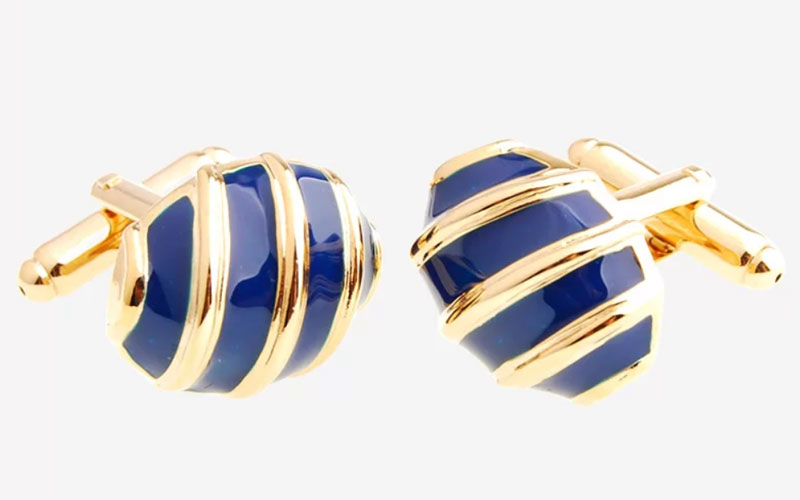
Which Option Is Better for Private-Label Businesses?
Private-label buyers may have stronger reasons to consider bespoke development.
A unique product shape or proprietary design can help distinguish a private-label collection from standard products. Custom packaging, logo application, and coordinated finishing can further support the overall product identity.
However, private-label businesses should evaluate development costs, expected order volumes, and future reorder plans before choosing a fully bespoke solution.
A bespoke cufflinks supplier should be able to explain the development process clearly and provide information about samples, tooling, MOQ, production capacity, and repeat orders.
How to Choose a Bespoke Cufflinks Supplier
When comparing suppliers, buyers should examine more than product photographs or initial quotations.
Important considerations include the supplier’s experience with custom development, ability to interpret artwork, sampling process, quality-control procedures, communication, packaging capabilities, and ability to handle repeat production.
Buyers should also prepare a clear project brief. Useful information includes the desired shape, dimensions, lettering or logo requirements, surface finish, estimated quantity, packaging requirements, target delivery date, and available artwork.
A detailed brief gives the bespoke cufflinks supplier a clearer understanding of the project and can make quotation and sampling more efficient.
Bespoke Cufflinks vs Custom Cufflinks: A Practical Comparison
The distinction can be summarised through the development approach.
Custom cufflinks generally start with an existing product and modify selected elements. They can be suitable when the buyer wants personalization without creating a completely new structure.
Bespoke cufflinks generally begin with a specific concept and involve more product development. They can be suitable when design originality and product differentiation are important.
Neither approach needs to be viewed as universally superior. They simply represent different levels of customization and development.
Conclusion
Understanding bespoke cufflinks vs custom cufflinks is useful for businesses planning personalised men’s accessory collections. Custom cufflinks can provide an efficient way to modify an existing product, while bespoke cufflinks can involve a deeper design and development process built around a specific concept.
For retailers and gift businesses, customization may be sufficient when personalization is the main requirement. For private-label collections or distinctive product concepts, bespoke development may provide greater control over the final design.
Before placing an order, buyers should discuss artwork, tooling, MOQ, sampling, lead time, quality control, packaging, and repeat production with a suitable bespoke cufflinks manufacturer. With clearly defined requirements, businesses can choose a development model that matches their product strategy and create custom bespoke cufflinks for their target market.