
Cufflinks are small accessories, but they can have a significant influence on the overall appearance of formalwear. For retailers, fashion brands, corporate gift suppliers, and jewelry wholesalers, selecting the right cufflink style involves much more than choosing an attractive pattern. Material quality, enamel technique, metal finishing, customization options, durability, packaging, and production consistency all affect the final product.
Among the many styles available today, men’s enamel cufflinks remain a popular choice because they combine decorative color with the refined appearance of traditional metal accessories. Enamel can be used to create simple color blocks, intricate logos, geometric patterns, luxury-inspired designs, or personalized motifs. This flexibility makes enamel cufflinks suitable for both classic formalwear and modern fashion collections.
For businesses sourcing cufflinks in bulk, understanding how these products are designed and manufactured can make supplier selection much easier. The following guide explains the major considerations involved in developing, sourcing, and customizing enamel cufflinks for different markets.
Why Enamel Cufflinks Remain Popular
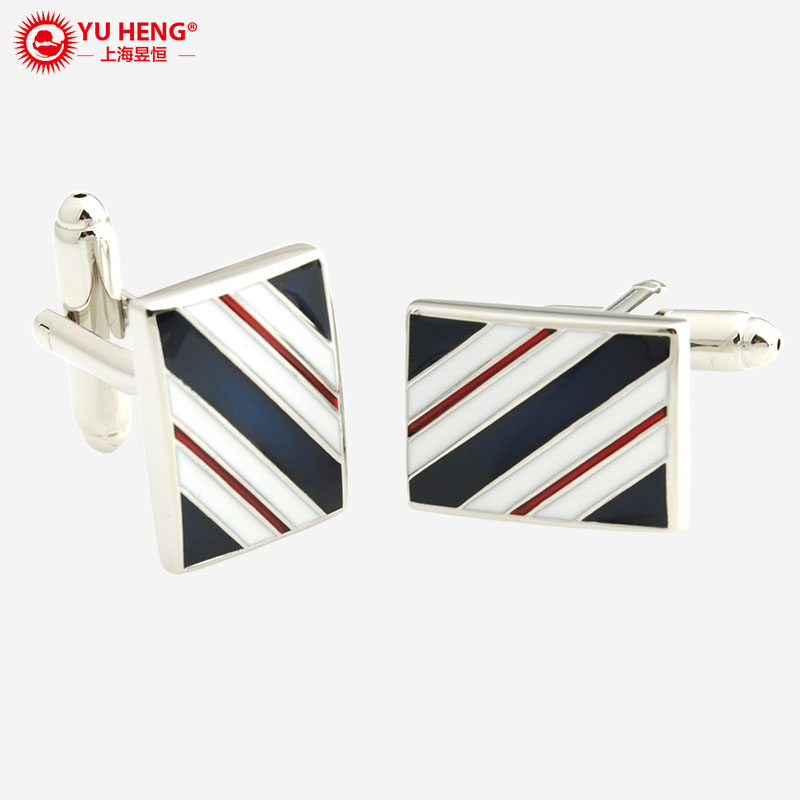
The appeal of enamel comes largely from its ability to introduce color without making the accessory look overly casual. A polished metal base provides a structured foundation, while colored enamel creates contrast and visual interest.
This combination works particularly well with business shirts, wedding attire, tuxedos, and tailored suits. Dark blue, black, white, red, green, and other traditional colors can create a sophisticated appearance, while brighter shades can be used for fashion-oriented collections.
Enamel also gives brands considerable freedom when developing new products. A simple metal cufflink can be transformed through the addition of a colored surface, logo, symbol, or decorative pattern. This makes enamel particularly useful for companies that want accessories to support a specific brand identity.
For wholesale buyers, another advantage is the broad range of price points available. Depending on the base metal, plating, enamel technique, construction, and finishing requirements, products can be developed for entry-level, mid-range, or premium markets.
Choosing the Right Metal Base
The metal base plays an important role in both appearance and durability. Common materials used in cufflink manufacturing include brass, stainless steel, copper, and various zinc-based alloys.
Brass is widely used because it is relatively easy to form and machine. It can also accept different plating finishes, allowing manufacturers to create gold-tone, silver-tone, antique, black, or other appearances.
Stainless steel is another practical choice, particularly for contemporary designs. It provides good resistance to corrosion and can create a clean, modern appearance. It is often suitable for minimalist cufflinks and products intended for everyday use.
Copper can be useful when a design requires specific manufacturing characteristics, while zinc alloys provide flexibility for more complicated shapes and decorative designs.
When sourcing products, buyers should consider not only the appearance of the metal but also its thickness, weight, structural strength, surface treatment, and compatibility with the selected enamel process.
Enamel Techniques and Their Visual Effects
Different enamel techniques can produce noticeably different results. Choosing the right process depends on the desired appearance, product positioning, budget, and design complexity.
Hard Enamel
Hard enamel is commonly associated with a smooth and polished appearance. The enamel surface is generally brought close to the level of the surrounding metal and then polished to create a flat finish.
This technique is suitable for premium-looking designs where clean color separation and a refined surface are important. Logos, geometric patterns, badges, and simple decorative motifs can work particularly well with hard enamel.
Soft Enamel
Soft enamel is another widely used option. In this process, the enamel sits slightly below the raised metal lines, creating a textured surface that allows users to feel the difference between the metal and colored sections.
It can be an economical choice for large-volume orders and is particularly suitable for designs containing multiple color areas. The slightly recessed appearance can also provide stronger visual contrast.
Printed or Decorative Enamel Effects
Some designs may combine enamel with printed graphics or other decorative techniques. This approach can be useful when a design includes detailed visual elements that are difficult to reproduce through conventional enamel filling alone.
Before selecting a technique, buyers should discuss the artwork with the supplier. Certain small details, narrow lines, gradients, or highly complicated patterns may require modifications to ensure that the finished cufflinks accurately reproduce the original artwork.
Design Considerations for Different Markets
Not every cufflink design appeals to the same customer group. A successful product collection should reflect the preferences of its target market.
For corporate customers, understated designs are often more appropriate. Company logos, initials, symbolic shapes, and simple color combinations can create professional promotional accessories.
Wedding-related products may use initials, dates, family symbols, or elegant decorative patterns. These products are often purchased as gifts for grooms, wedding parties, fathers, or other members of the wedding party.
Fashion brands may have more freedom to experiment with unusual shapes, contrasting colors, abstract graphics, and seasonal designs. For these products, the cufflink becomes part of a broader fashion statement rather than simply a formal accessory.
Luxury-oriented collections generally benefit from restrained color combinations and high-quality finishing. A carefully polished metal surface combined with precisely applied enamel can create a sophisticated appearance without requiring excessive decoration.
The Manufacturing Process
The production of men’s enamel cufflinks normally involves several stages, and quality control at each stage can influence the final result.
The process typically begins with artwork preparation. The buyer provides a logo, drawing, image, or technical specification, and the manufacturer converts the concept into production-ready artwork.
A mold or tooling solution is then developed according to the design. The metal base is formed through processes such as stamping, die casting, CNC machining, or other suitable methods, depending on the shape and material.
After forming, the metal surface is cleaned and prepared. If the design requires raised borders, recessed areas, or multiple sections, these structural details must be accurately produced before enamel application.
The enamel is then added to the designated areas. Depending on the selected process, the product may require filling, curing, polishing, and repeated inspection.
After enamel treatment, the cufflinks can receive their final surface finish. Plating may be used to create gold, silver, black, antique, or other appearances. Polishing and cleaning help improve the overall presentation.
Finally, the finished pieces are assembled with their cufflink mechanisms, inspected, and packaged.
Why Quality Control Matters
Small accessories can reveal manufacturing problems very easily. Uneven enamel, scratches, incomplete plating, rough edges, loose components, and inconsistent colors can negatively affect the perceived value of a product.
For wholesale orders, consistency is particularly important. A sample may look excellent, but the entire production batch needs to maintain the same standard.
Buyers should therefore discuss quality-control procedures before placing a large order. Important inspection points can include:
- Metal dimensions and thickness
- Weight and overall construction
- Enamel color consistency
- Surface smoothness
- Plating uniformity
- Edge quality
- Alignment of decorative elements
- Strength of the cufflink mechanism
- Packaging condition
- Quantity accuracy
For customized products, the approved pre-production sample should be treated as an important reference. Any changes to color, dimensions, plating, or construction should be confirmed before mass production.
Customization Opportunities for Brands
Customization is one of the strongest advantages of enamel cufflinks for B2B buyers. Instead of selling generic accessories, brands can create products that directly reflect their identity.
Logo customization is especially common for corporate gifting and promotional merchandise. A company emblem can be integrated into the enamel design or placed on a dedicated decorative area.
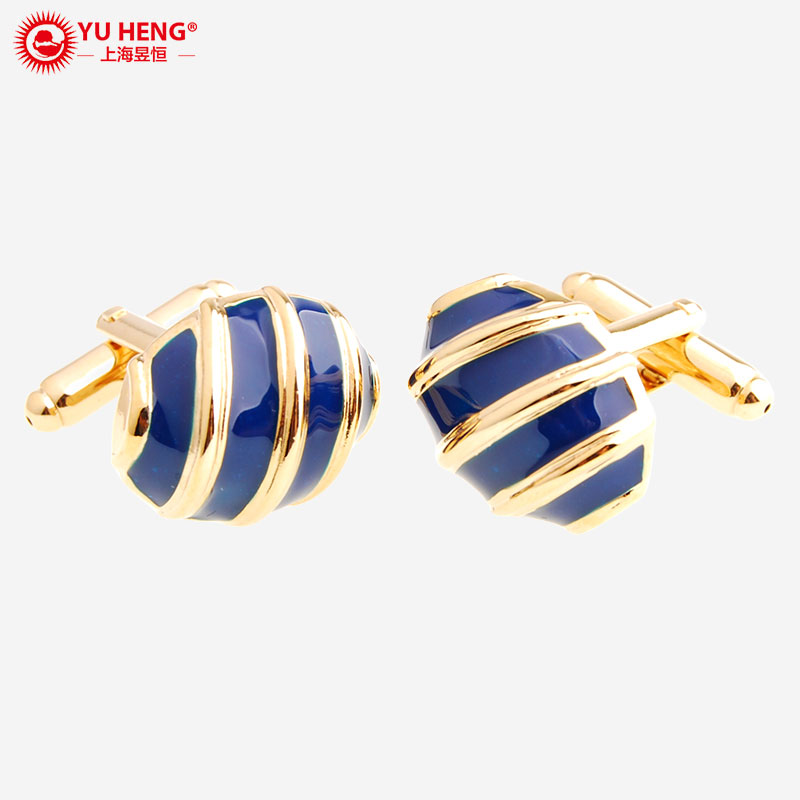
Private-label brands can also customize the product shape, colors, plating, packaging, backing cards, gift boxes, and other presentation elements. This allows the same basic product category to be positioned differently for different markets.
For retailers, seasonal collections provide another opportunity. Limited-edition colors or designs can be introduced for holidays, weddings, anniversaries, corporate events, or special campaigns.
The level of customization should be discussed with a men’s enamel cufflinks manufacturer at the beginning of the project because certain modifications may require new tooling or affect the minimum order quantity.
Selecting a Reliable Manufacturing Partner
Finding a suitable supplier is not simply a matter of comparing unit prices. A lower quotation may not provide better overall value if the supplier has inconsistent quality, limited customization capabilities, or unreliable delivery schedules.
A suitable men’s enamel cufflinks manufacturer should be able to communicate clearly about materials, production methods, enamel options, plating, tooling, sampling, quality control, and packaging.
Experience with customized orders is also valuable. A manufacturer familiar with OEM and private-label production can often identify potential design problems before manufacturing begins.
Buyers should also evaluate sample quality carefully. Pay attention to the accuracy of the logo, smoothness of enamel, quality of the plating, strength of the mechanism, and overall weight. If possible, compare samples from several suppliers rather than making a decision based solely on photographs.
Production capacity is another consideration for wholesalers and larger brands. Suppliers should have sufficient manufacturing resources to maintain consistent quality when order volumes increase.
Packaging and Presentation
Packaging can have a major impact on how cufflinks are perceived by customers. Even a well-manufactured product can appear less valuable if it arrives in poor-quality packaging.
Standard packaging may include individual plastic bags, basic boxes, velvet pouches, or simple presentation cases. Premium collections can use rigid gift boxes, custom inserts, printed logos, ribbons, or branded cards.
For corporate gifting, packaging can be customized with company colors and logos. For retail products, branded packaging can help create a stronger connection between the accessory and the overall product identity.
Packaging requirements should be confirmed before production because custom boxes, inserts, and printed materials may require separate artwork approval and additional production time.
Cost Factors to Consider
The final cost of enamel cufflinks depends on several variables rather than one fixed factor.
Material selection influences the basic manufacturing cost. Product size and weight also affect material consumption. More complicated shapes may require additional tooling or machining.
The enamel technique and number of colors can influence production requirements. Additional plating treatments, polishing, engraving, or decorative processes can further increase the cost.
Order quantity is another important factor. Larger orders can distribute tooling and setup expenses across more units, potentially reducing the average cost.
Customization should therefore be evaluated as a complete project rather than by unit price alone. A supplier offering a slightly higher quotation may provide better value if it delivers stronger quality control, more reliable production, better packaging, and greater customization flexibility.
What Buyers Should Confirm Before Ordering
Before placing an order, buyers should prepare a clear specification sheet. It should include the product dimensions, metal material, plating finish, enamel colors, logo or artwork, attachment mechanism, packaging requirements, and expected quantity.
It is also useful to confirm the following points with the supplier:
- Minimum order quantity
- Sample and tooling charges
- Production lead time
- Sample approval process
- Color-matching requirements
- Quality inspection standards
- Packaging specifications
- Shipping terms
- Replacement policy for defective products
- Available customization options
Clear communication at the beginning can reduce misunderstandings later in the production process.
Final Considerations
Men’s enamel cufflinks offer a useful combination of metal craftsmanship, color customization, and formal styling. Their relatively compact size also provides manufacturers and brands with considerable freedom to experiment with logos, patterns, symbols, colors, and finishes.
For B2B buyers, the most important factors are not simply appearance and price. Material selection, enamel technique, manufacturing accuracy, plating quality, quality control, customization capabilities, packaging, and supplier reliability all contribute to the success of the finished product.
Whether the goal is to develop corporate gifts, wedding accessories, retail collections, private-label products, or promotional merchandise, careful planning can help buyers achieve a product that matches both their brand requirements and customer expectations. By working with an experienced men’s enamel cufflinks manufacturer, businesses can turn a basic accessory concept into a consistent, market-ready product line with greater control over design and production quality.