
When it comes to customizing tie clips, selecting the right material is essential to ensure the product meets the desired aesthetic and functional needs. Custom tie clips are a popular accessory for both personal and corporate gifting, offering a sophisticated touch to any suit or formal wear. Suppliers provide a variety of materials for custom tie clips, each with its own unique qualities, benefits, and drawbacks. In this comprehensive guide, we’ll take a deep dive into the materials commonly used for making tie clips, including brass, stainless steel, gold-plated, silver-plated, and alloys, and explore the pros and cons of each.
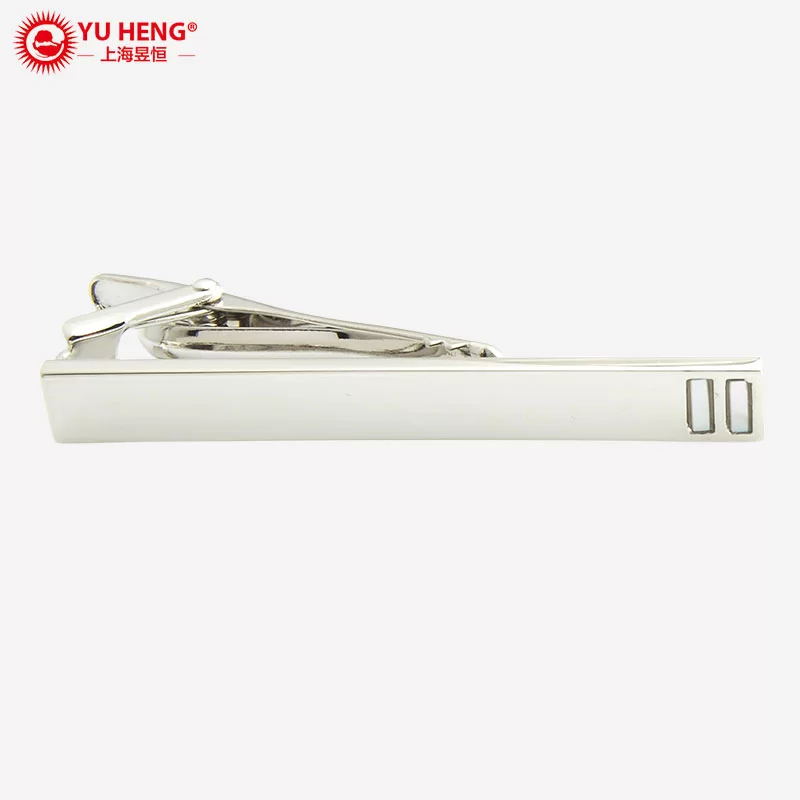
1. Brass Tie Clips: Classic Elegance with Versatility
What is Brass?
Brass is a durable and versatile alloy made primarily of copper and zinc. It is known for its warm, golden appearance, which makes it a popular choice for jewelry and accessories, including tie clips. Brass is available in various finishes such as polished, matte, and antique, making it suitable for a wide range of customization options.
Pros of Brass Tie Clips
- Aesthetic Appeal: Brass has a classic golden hue that pairs well with a variety of outfits, making it a versatile choice for both casual and formal wear.
- Durability: Brass is known for its strength and resistance to corrosion, making it ideal for long-lasting accessories.
- Customization Options: Brass can be easily engraved, polished, or coated, allowing for personalized designs and intricate details.
- Affordable: Compared to gold or silver, brass is relatively inexpensive, making it a cost-effective choice for businesses offering custom tie clips.
Cons of Brass Tie Clips
- Prone to Tarnishing: Brass, especially when not properly maintained, can tarnish over time. It requires regular polishing to maintain its shine.
- Heavier Than Some Materials: Brass is heavier than some other metals, which could make the tie clip feel bulkier and less comfortable for some wearers.
- Not Hypoallergenic: Brass can cause allergic reactions in individuals with sensitive skin, particularly those who are allergic to copper.
2. Stainless Steel Tie Clips: Modern, Strong, and Sleek
What is Stainless Steel?
Stainless steel is a highly durable and corrosion-resistant metal made primarily of iron, chromium, and nickel. It is known for its sleek, modern appearance and is widely used in the production of fashion accessories, including tie clips. Stainless steel is available in various finishes, including polished, brushed, and matte, providing a variety of looks for customization.
Pros of Stainless Steel Tie Clips
- Corrosion-Resistant: Stainless steel is highly resistant to rust, tarnishing, and corrosion, making it perfect for everyday wear.
- Lightweight: Despite its strength, stainless steel is relatively lightweight, making it comfortable to wear without feeling heavy on the tie.
- Hypoallergenic: Stainless steel is less likely to cause allergic reactions, making it a great choice for individuals with sensitive skin.
- Durable: Stainless steel is incredibly strong and scratch-resistant, ensuring that the tie clip will remain in good condition even with regular use.
- Affordable: Stainless steel is an affordable material, making it a budget-friendly option for custom tie clips without sacrificing quality.
Cons of Stainless Steel Tie Clips
- Cold Appearance: Stainless steel has a modern, industrial look that may not appeal to those looking for a more traditional or luxurious design.
- Limited Customization Options: While stainless steel can be engraved, it does not take on as many intricate or detailed designs as softer metals like brass or gold.
- Prone to Fingerprints: Polished stainless steel surfaces tend to attract fingerprints, which can dull the shine and require frequent cleaning.
3. Gold-Plated Tie Clips: Luxurious and Timeless
What is Gold-Plating?
Gold-plated tie clips are made by applying a thin layer of gold over a base metal, such as brass or stainless steel. The gold plating gives the tie clip a rich, luxurious appearance at a fraction of the cost of solid gold.
Pros of Gold-Plated Tie Clips
- Elegant and Luxurious: Gold-plated tie clips are ideal for those looking to add a touch of luxury to their accessory collection without the high cost of solid gold.
- Versatile Design: The gold plating can be combined with other metals, such as brass or stainless steel, to create unique and customizable designs.
- Shiny and Attractive: The gold coating gives the tie clip a beautiful shine that catches the light, making it a statement accessory.
- Cost-Effective Luxury: Gold-plating allows for a high-end look at an affordable price, making it an attractive option for businesses offering luxury-style accessories.
Cons of Gold-Plated Tie Clips
- Wear and Tear: Gold plating can wear off over time, especially if the tie clip is worn frequently or exposed to moisture. The base metal beneath may become visible once the plating begins to fade.
- Less Durable: Compared to solid gold, gold-plated tie clips are less durable and more prone to scratching or chipping.
- Not Suitable for Long-Term Use: For customers who are looking for a long-lasting, heirloom-quality accessory, gold-plated tie clips may not be the best option.
4. Silver-Plated Tie Clips: A Classic Choice with Timeless Appeal
What is Silver-Plating?
Like gold-plated tie clips, silver-plated tie clips feature a thin layer of silver applied over a base metal. Silver-plating gives the tie clip a bright, shiny appearance that resembles solid silver but at a more affordable price.
Pros of Silver-Plated Tie Clips
- Bright and Shiny: Silver-plated tie clips have a sleek, shiny finish that complements both formal and casual attire.
- Elegant Appearance: Silver is known for its timeless, classic beauty, making silver-plated tie clips a popular choice for weddings, corporate gifts, and upscale events.
- Affordable Alternative to Solid Silver: Silver-plated tie clips offer the aesthetic of solid silver without the high cost, making them an accessible option for customers looking for luxury at a lower price point.
Cons of Silver-Plated Tie Clips
- Prone to Tarnishing: Like gold-plated tie clips, silver-plated tie clips are susceptible to tarnishing over time, especially when exposed to moisture, chemicals, or air.
- Less Durable: The silver plating may wear off over time, especially with frequent use, leaving the base metal exposed.
- Requires Regular Maintenance: Silver-plated tie clips need to be cleaned and polished regularly to maintain their shiny appearance.
5. Alloy Tie Clips: Customizable and Cost-Effective
What is Alloy?
Alloys are materials made by combining two or more metals to enhance the properties of the base metal. Common alloys used in tie clips include zinc alloy, aluminum alloy, and brass alloy. These materials can be easily molded into various shapes and designs, making them a popular choice for customized tie clips.
Pros of Alloy Tie Clips
- Highly Customizable: Alloys can be cast into almost any shape, which allows for intricate designs and unique customizations.
- Cost-Effective: Alloys are often more affordable than pure metals like gold and silver, making them an attractive option for bulk orders or budget-conscious businesses.
- Durable and Strong: Depending on the alloy used, these tie clips can be incredibly durable and resistant to wear and tear.
- Lightweight: Many alloys, such as aluminum, are lightweight, ensuring that the tie clip is comfortable to wear without feeling too heavy.
Cons of Alloy Tie Clips
- Varied Quality: The quality of alloy materials can vary depending on the mixture of metals used, so it’s essential to choose a reliable supplier.
- Less Elegant: Alloy tie clips may not offer the same high-end look and feel as gold, silver, or even brass.
- Prone to Scratching: Some alloys, particularly zinc alloy, are softer and more prone to scratching and denting.
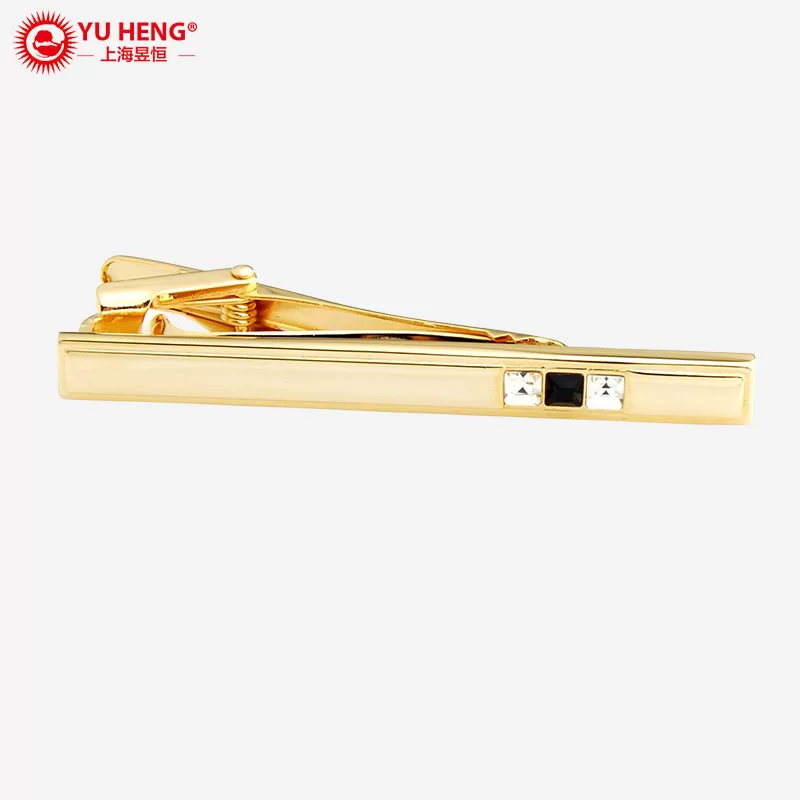
Conclusion: Selecting the Right Material for Your Custom Tie Clip
The material you choose for custom tie clips will significantly impact both their appearance and durability. Brass offers a classic, warm appearance, while stainless steel provides a modern and durable option. Gold and silver-plated tie clips offer a luxurious look without the high cost of solid gold or silver, but they may require more maintenance. Alloys, on the other hand, offer a customizable and cost-effective choice but may not have the same elegance as the more traditional metals.
When selecting a material for custom tie clips from Shanghai Yuheng, it’s important to consider factors such as the intended audience, the level of customization, budget constraints, and the desired aesthetic. By working with a reliable supplier, you can ensure that your custom tie clips meet the highest standards of quality and design, making them the perfect accessory for any occasion.
FAQs About Custom Tie Clips
1. What is the most durable material for custom tie clips?
Stainless steel is the most durable option, as it is resistant to corrosion, rust, and scratching, ensuring that the tie clip will last for a long time.
2. Can I get a custom design for my tie clip?
Yes, many suppliers offer custom design services, allowing you to create a unique and personalized tie clip that fits your style and needs.
3. Are gold-plated and silver-plated tie clips worth the investment?
If you’re looking for a luxury appearance at an affordable price, gold-plated and silver-plated tie clips are a great option. However, they may require more maintenance to keep their shine.
4. How can I ensure that my custom tie clips are of high quality?
Choose a reputable supplier who uses high-quality materials and offers customization services. You can also request samples before placing a large order to ensure the quality meets your expectations.
By understanding the materials available and their respective advantages, you can make an informed decision for your custom tie clips, ensuring they meet both functional and aesthetic needs.